
As a clinical supervisor, structuring your weekly supervision sessions effectively can enhance both clinician performance and client outcomes. Whether you're new to this role or looking to refresh your approach, a well-organized session can make a significant difference.
Understand the Purpose of Supervision
The primary aim of a weekly supervision session is to support clinicians in their professional development and ensure high-quality client care. It's a space for reflection, learning, and problem-solving. By maintaining a clear focus on these goals, you can create a productive environment that fosters growth and accountability.
Clinicians need a supportive space to discuss caseload challenges, ethical dilemmas, and professional growth. As a supervisor, your role is to guide these discussions, providing insights and feedback that can help clinicians navigate complex situations effectively.
Prepare an Agenda
Having a clear agenda is crucial for a successful supervision session. Start by identifying the key topics you want to cover. This could include case discussions, reviewing documentation, or addressing any specific concerns raised by clinicians. An agenda helps keep the session focused and ensures that important issues are not overlooked.
Consider using a flexible agenda template that can be adjusted based on the needs of your team. This adaptability allows you to address urgent issues while still covering regular topics like case reviews and professional development goals.
Facilitate Open Communication
Creating an atmosphere of trust and openness is essential for effective supervision. Encourage clinicians to share their thoughts and concerns candidly. Active listening and empathetic responses can make clinicians feel supported, fostering a more collaborative environment.
Model the communication style you wish to see in your team. Use open-ended questions to stimulate discussion and encourage clinicians to reflect on their practice. This approach not only builds rapport but also enhances critical thinking and problem-solving skills.
Incorporate Quality Assurance
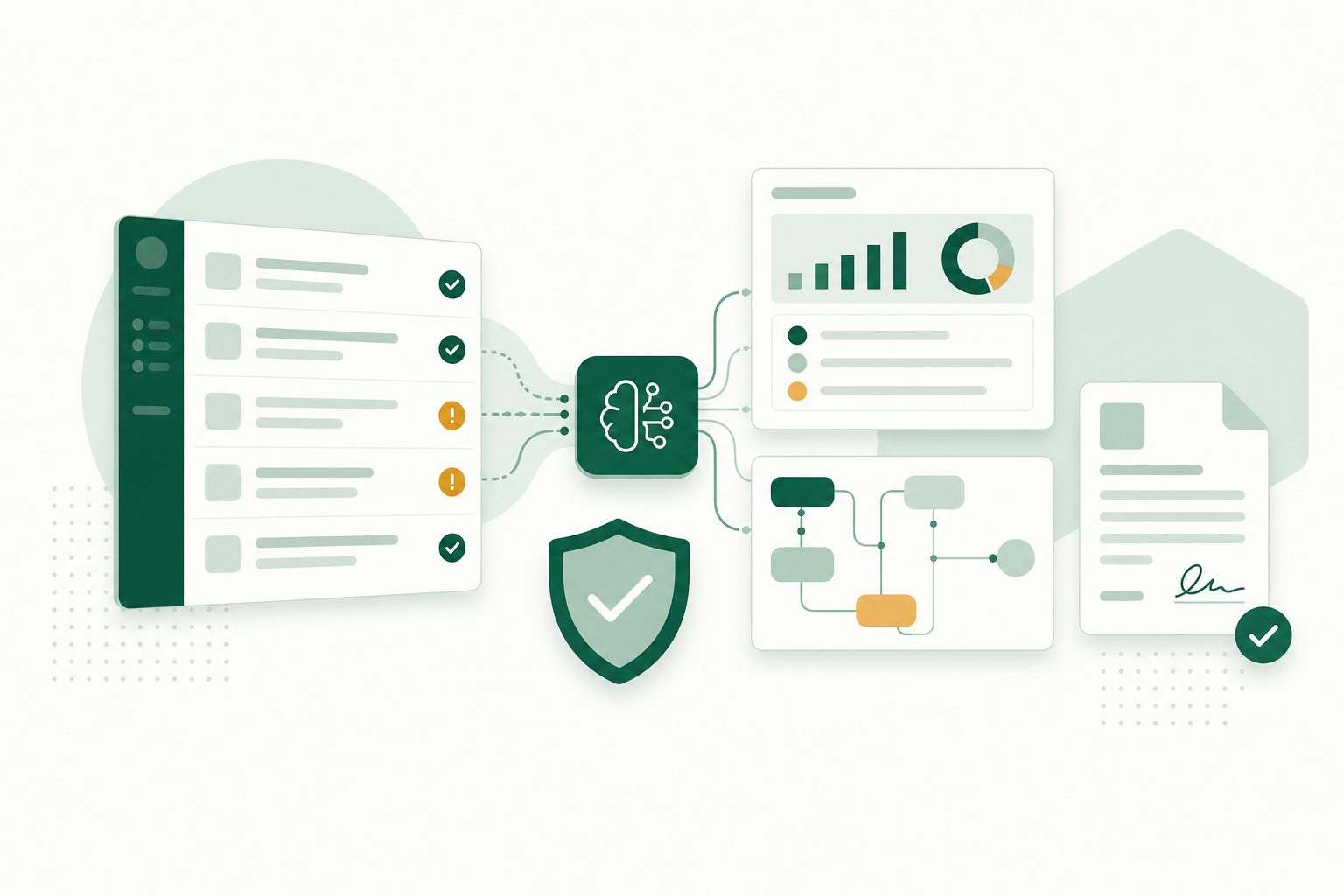
Quality assurance (QA) should be a regular part of your supervision sessions. Reviewing clinician documentation and client interactions helps maintain high standards of care. Providing constructive feedback during these reviews can enhance clinician performance and ensure compliance with regulatory standards.
Consider using a structured QA process to streamline reviews. For more detailed guidance, explore our supervisor QA review resource.
Support Professional Development
Supervision sessions are an ideal time to focus on professional development. Discuss each clinician's career goals and identify opportunities for growth. This might include training sessions, workshops, or mentorship opportunities.
Encourage clinicians to set realistic goals and develop action plans to achieve them. Regularly revisiting these plans can help track progress and maintain motivation.
Evaluate and Adjust
Like any process, your supervision approach should evolve based on feedback and outcomes. Regularly evaluate the effectiveness of your sessions by seeking feedback from clinicians. Are the sessions meeting their needs? Is there a balance between support and accountability?
Use this feedback to adjust your approach as needed. This might mean tweaking the agenda, changing the format, or incorporating new resources. The goal is continuous improvement to better support your clinicians and ultimately, your clients.
Integrate Technology in Supervision
Technology can be a valuable tool in enhancing supervision sessions. Consider using secure digital platforms to facilitate communication and documentation review. These tools can streamline the process, allowing you to focus more on the content of the sessions rather than administrative tasks.
Video conferencing tools can be especially useful if your team includes remote clinicians. They allow for face-to-face interaction, which can strengthen the supervisory relationship. Additionally, digital platforms can help in tracking progress on professional development goals and managing documentation efficiently.
Address Clinician Well-being
Clinician well-being is a critical aspect often overlooked in supervision sessions. Use this time to check in on your team’s mental health and stress levels. High workloads and challenging cases can lead to burnout, affecting both clinician performance and client outcomes.
Encourage clinicians to discuss their self-care routines and identify potential stressors. Providing resources for stress management and promoting a healthy work-life balance can support clinician well-being. Remember, a supported clinician is more likely to provide high-quality care and contribute positively to the team dynamic.
Set Clear Boundaries and Expectations
Establishing clear boundaries and expectations is vital for maintaining a professional and productive supervision environment. At the start of your supervision relationship, outline the role of supervision, the expectations for participation, and any specific goals. This clarity helps reduce misunderstandings and ensures everyone is on the same page.
In addition to setting boundaries, it's important to discuss confidentiality and its limits within the context of supervision. Clinicians should feel secure in knowing that their discussions are private, except in cases where ethical or legal obligations require disclosure. By setting these parameters, you create a safe space that encourages honest and open dialogue.
Maintain Flexibility and Responsiveness
While structure is important, maintaining flexibility within your supervision sessions is equally crucial. Each clinician is unique and may require different levels or types of support. Being attuned to these needs allows you to adjust your approach, whether that means spending more time on complex cases or providing additional resources for professional development.
Flexibility also involves being responsive to unexpected issues or crises that may arise. By remaining adaptable, you can ensure that your supervision sessions are both relevant and supportive, helping clinicians navigate challenges as they occur. This responsiveness strengthens the supervisory relationship and promotes a supportive clinic culture.
Frequently Asked Questions
How long should a weekly supervision session last?
Typically, a supervision session lasts between 60 to 90 minutes. This duration allows for in-depth discussion without overwhelming participants. However, the exact length can vary based on the needs of your team and the complexity of cases discussed.
What should I do if a clinician is resistant to feedback?
Resistance to feedback can be challenging. Approach the situation with empathy and seek to understand the clinician's perspective. Frame feedback in a constructive manner, focusing on specific behaviors and potential solutions. Building a rapport of trust and respect can help mitigate resistance over time.
How can I ensure compliance with documentation standards?
Regularly review clinician documentation during supervision sessions and provide constructive feedback. Consider implementing a QA process for systematic reviews. For more information on documentation standards, explore our supervisor QA review page.
See it on your own clinic workflows
A 30 minute walkthrough with someone who knows behavioral health documentation, using your programs, your note formats and your payer mix.
- No credit card
- No contract
- Free for 30 days