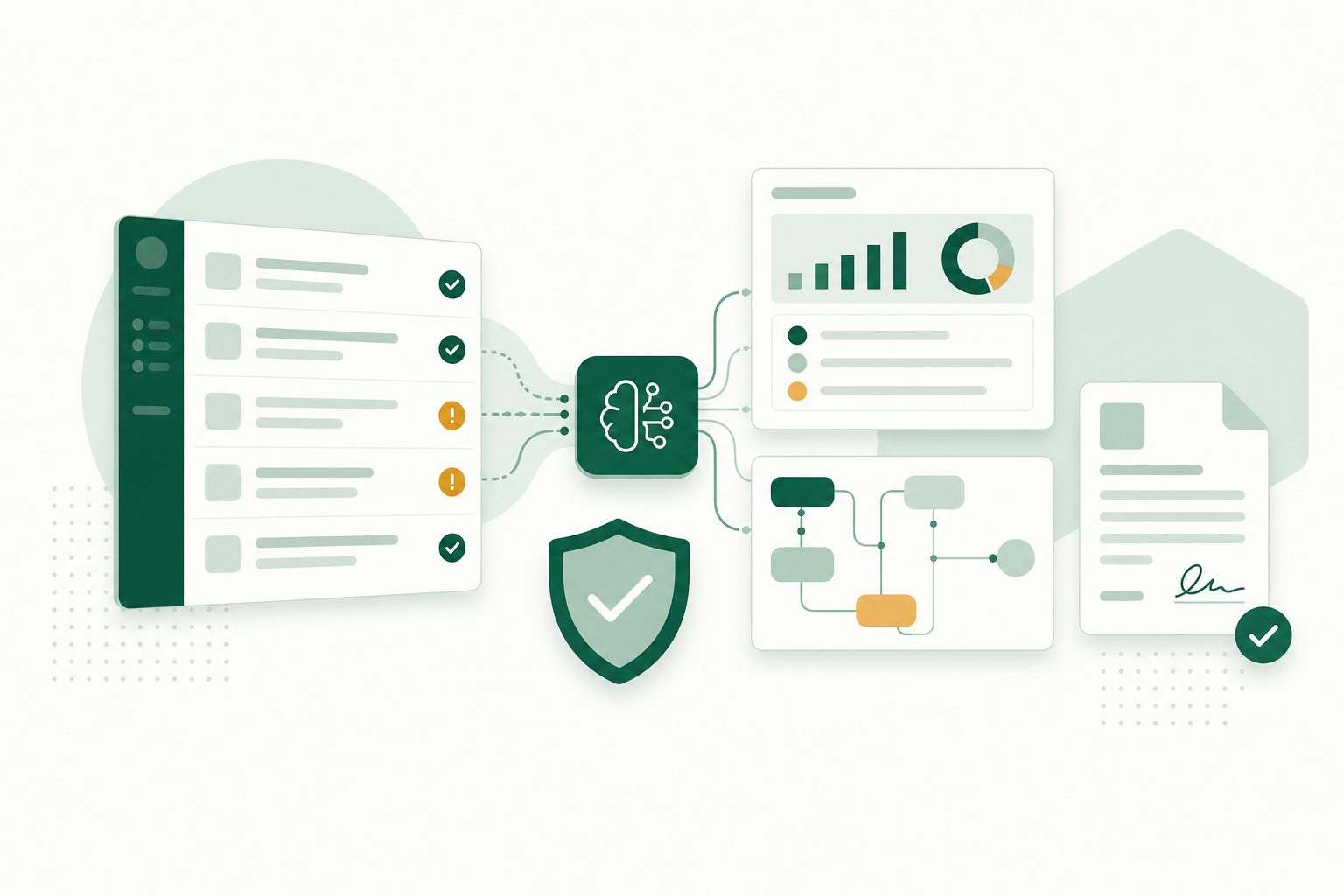
Substance use disorder (SUD) programs must navigate a complex web of confidentiality rules to protect patient records. This checklist provides a practical framework for ensuring compliance with these specific regulations.
Understand the Scope of 42 CFR Part 2
The first step in maintaining confidentiality for SUD records is to understand the specific federal regulation: 42 CFR Part 2. This rule exists to protect the privacy of individuals undergoing substance use treatment and applies to federally assisted programs. It prohibits the disclosure of information that identifies someone as having a substance use disorder without explicit consent. Familiarize your team with these regulations and consult with your compliance officer to ensure understanding.
Obtain Informed Consent for Disclosures
For any disclosure of SUD records, informed consent from the patient is crucial. The consent form must specify the recipient of the information, the scope of the disclosure, and the duration of the consent. This ensures that patients understand and agree to how their information will be used. Regularly review your consent forms to ensure they meet current legal standards and clearly communicate their purpose to patients.
Limit Internal Access to SUD Records
Restricting access to SUD records within your organization is essential. Not everyone on the team needs access to all patient information. Implement role-based access controls to ensure that only authorized personnel can view sensitive data. This minimizes the risk of unauthorized disclosures and helps maintain patient trust. Regular audits can help verify that access controls are being followed effectively.
Train Staff on Confidentiality Requirements
Regular training is necessary to keep your staff up-to-date on confidentiality requirements specific to SUD records. This should include understanding legal obligations, recognizing potential breaches, and responding appropriately if a breach occurs. Training programs should be updated periodically to reflect changes in laws and best practices. Consider integrating confidentiality training with other relevant topics, such as clinical assessments and screeners.
Implement Secure Record-Keeping Practices
Secure record-keeping is a pillar of confidentiality. This includes using secure electronic health record (EHR) systems, encrypting data, and maintaining secure physical storage for paper records. Evaluate your current systems to identify any vulnerabilities and take steps to address them. Ensure that all electronic communications involving SUD records are conducted over secure channels to prevent unauthorized access.
Develop a Response Plan for Breaches
Despite best efforts, breaches can occur. Having a response plan in place can mitigate the impact. This plan should detail the steps for identifying, reporting, and responding to breaches. It should also include communication strategies to inform affected individuals and authorities, as required by law. Regular drills and updates to the plan will prepare your team for an effective response if a breach occurs.
Conduct Regular Compliance Audits
Regular compliance audits are essential for ensuring that your SUD confidentiality practices remain effective and up-to-date. These audits should review all aspects of your confidentiality protocols, from consent forms to access controls and staff training. By conducting these audits, you can identify gaps or areas for improvement and take corrective action before issues arise. Involve your compliance officer to ensure audits align with the latest legal standards.
Consider using audit findings to update your policies and procedures. This iterative process helps maintain a culture of compliance and accountability within your clinic. Documenting audit results and subsequent actions taken can also serve as valuable evidence of due diligence in case of an external review or investigation.
Engage Patients in Their Privacy Rights
Engaging patients in understanding their privacy rights is a proactive way to enhance trust and compliance with SUD confidentiality rules. Educate patients about their rights under 42 CFR Part 2, including how their information is protected and the circumstances under which it may be disclosed. Providing this information in a clear and accessible manner can empower patients to make informed decisions regarding their care.
Consider incorporating privacy rights education into the intake process or during regular appointments. Providing written materials or informational sessions can reinforce patients' understanding and promote transparency. This engagement not only supports compliance but also strengthens the therapeutic alliance between patients and providers.
Integrate Technology Solutions for Enhanced Security
Technology can play a significant role in maintaining the confidentiality of SUD records. Implementing advanced software solutions that offer encryption, audit trails, and secure access controls can enhance the security of your records. Choose electronic health record (EHR) systems that are designed with SUD confidentiality in mind, ensuring they comply with 42 CFR Part 2 requirements.
Regularly update your systems to protect against emerging cybersecurity threats. Training staff on the use of these technologies is also crucial for maximizing their effectiveness. Staying informed about the latest technology trends and best practices can help your clinic maintain robust security measures to protect patient information.
Utilize Patient Feedback to Improve Confidentiality Practices
Incorporating patient feedback into your confidentiality practices can provide valuable insights and foster a culture of trust. Encourage patients to share their experiences and concerns regarding the handling of their SUD records. This feedback can be gathered through surveys, suggestion boxes, or during regular check-ins. Understanding patient perspectives can help identify areas where your clinic may need to strengthen its confidentiality measures.
Actively involving patients in discussions about their privacy not only enhances compliance but also improves patient satisfaction. Addressing their concerns and making necessary adjustments can demonstrate your clinic's commitment to maintaining high standards of privacy and care. By continually refining your practices based on patient feedback, you can ensure your confidentiality protocols remain relevant and effective.
Collaborate with External Partners for Comprehensive Compliance
Collaboration with external partners, such as legal advisors, technology providers, and other healthcare organizations, can enhance your clinic's ability to maintain compliance with SUD confidentiality regulations. These partners can provide expertise and resources that may not be available in-house. For example, legal advisors can clarify complex regulatory requirements, while technology providers can offer solutions for secure data management.
Building relationships with other healthcare organizations can also be beneficial. Sharing best practices and learning from others' experiences can help your clinic stay informed about the latest developments in confidentiality and data protection. Regular communication with these partners can ensure that your clinic remains proactive in addressing any challenges related to SUD record confidentiality. Collaborative efforts can strengthen your clinic's overall approach to privacy and security, making it easier to navigate the evolving landscape of healthcare regulations.
Frequently Asked Questions
What is the primary purpose of 42 CFR Part 2?
The primary purpose of 42 CFR Part 2 is to protect the privacy of individuals receiving substance use treatment. It restricts the disclosure of any information that identifies someone as having a substance use disorder without their consent.
How often should staff be trained on confidentiality requirements?
Staff should receive training on confidentiality requirements at least annually. Regular updates and refresher courses are essential to ensure compliance with any changes in regulations or best practices.
What should a breach response plan include?
A breach response plan should include procedures for identifying and reporting breaches, notifying affected individuals, and communicating with relevant authorities. It should also outline steps for remediation and prevention of future breaches.
See it on your own clinic workflows
A 30 minute walkthrough with someone who knows behavioral health documentation, using your programs, your note formats and your payer mix.
- No credit card
- No contract
- Free for 30 days