Effective attendance tracking in a psychiatric rehabilitation program (PRP) is crucial for compliance and program success. Many clinics in Maryland and DC encounter common pitfalls that can affect their operations. Understanding these mistakes and implementing best practices can enhance your program's efficiency and ensure regulatory compliance.
Why Accurate Attendance Tracking Matters
Accurate attendance tracking is not just about keeping a record of who shows up. It directly impacts billing, staff scheduling, and compliance with state and insurance regulations. Inaccurate records can lead to denied claims and potential audits, which can strain your clinic's resources. Therefore, ensuring that your attendance tracking is precise and up-to-date is essential for the smooth operation of your PRP.
Avoiding Over-reliance on Manual Processes
Many clinics rely heavily on manual processes for attendance tracking, which can lead to errors and inefficiencies. Handwritten logs are prone to misinterpretation and loss. Transitioning to an electronic system can mitigate these risks. With digital tools, you can maintain accurate records, streamline data entry, and easily access historical attendance data when needed.
Ensuring Compliance with State Requirements
State-specific requirements for attendance tracking can vary, making compliance a challenge. Clinics in Maryland and DC must stay informed about the latest regulations affecting PRPs. Regularly reviewing these guidelines with your compliance officer can help you avoid potential pitfalls. Implementing a system that automatically updates and alerts you to changes in regulations can prevent compliance issues.
Improving Communication with Staff
Another common mistake is poor communication among staff members regarding attendance protocols. Ensure that all staff are trained on the procedures for tracking attendance and understand their role in maintaining accurate records. Regular meetings and updates can help align the team and prevent discrepancies. Clear communication is key to a cohesive and effective attendance tracking process.
Integrating Attendance with Treatment Plans
Integrating attendance tracking with treatment plans can improve both compliance and patient care. By linking attendance data with treatment outcomes, you can better assess the effectiveness of your programs. This integration helps in identifying patterns and making data-driven decisions for adjustments in care strategies. For more details on treatment plans, visit our treatment plans page.
Utilizing Technology for Streamlined Processes
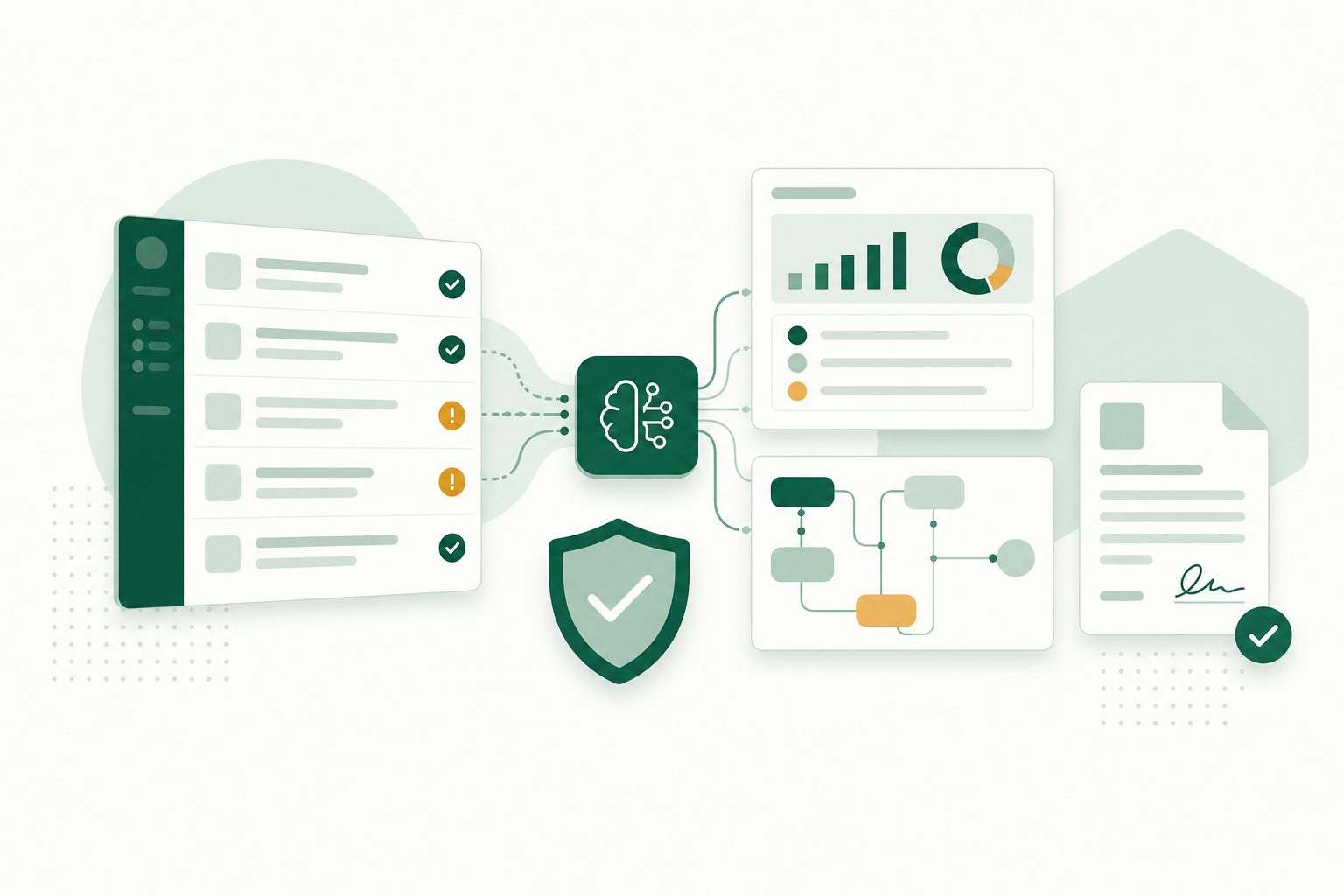
Leveraging technology can significantly improve your attendance tracking processes. Implementing software that automates attendance logging and integrates with your existing systems can reduce errors and save time. Technology can also provide real-time insights and analytics, allowing you to make informed decisions quickly. Consider solutions that offer comprehensive integration with other aspects of your clinic, such as clinical assessments and screeners.
Training Staff on New Attendance Systems
Training your staff thoroughly on any new attendance tracking system is essential. When transitioning from manual to electronic systems, or even upgrading current technology, ensure all team members are comfortable with the changes. This includes understanding new processes, navigating software, and troubleshooting common issues. Consider offering hands-on training sessions to facilitate this learning.
Providing ongoing support can make the transition smoother. Implementing a system where staff can ask questions and receive timely answers can help prevent frustration and errors. Additionally, creating user guides or quick-reference sheets available in the office can empower staff to solve minor issues independently. Regularly updating training materials to reflect any software updates or process changes is also crucial.
Monitoring and Evaluating Attendance Data
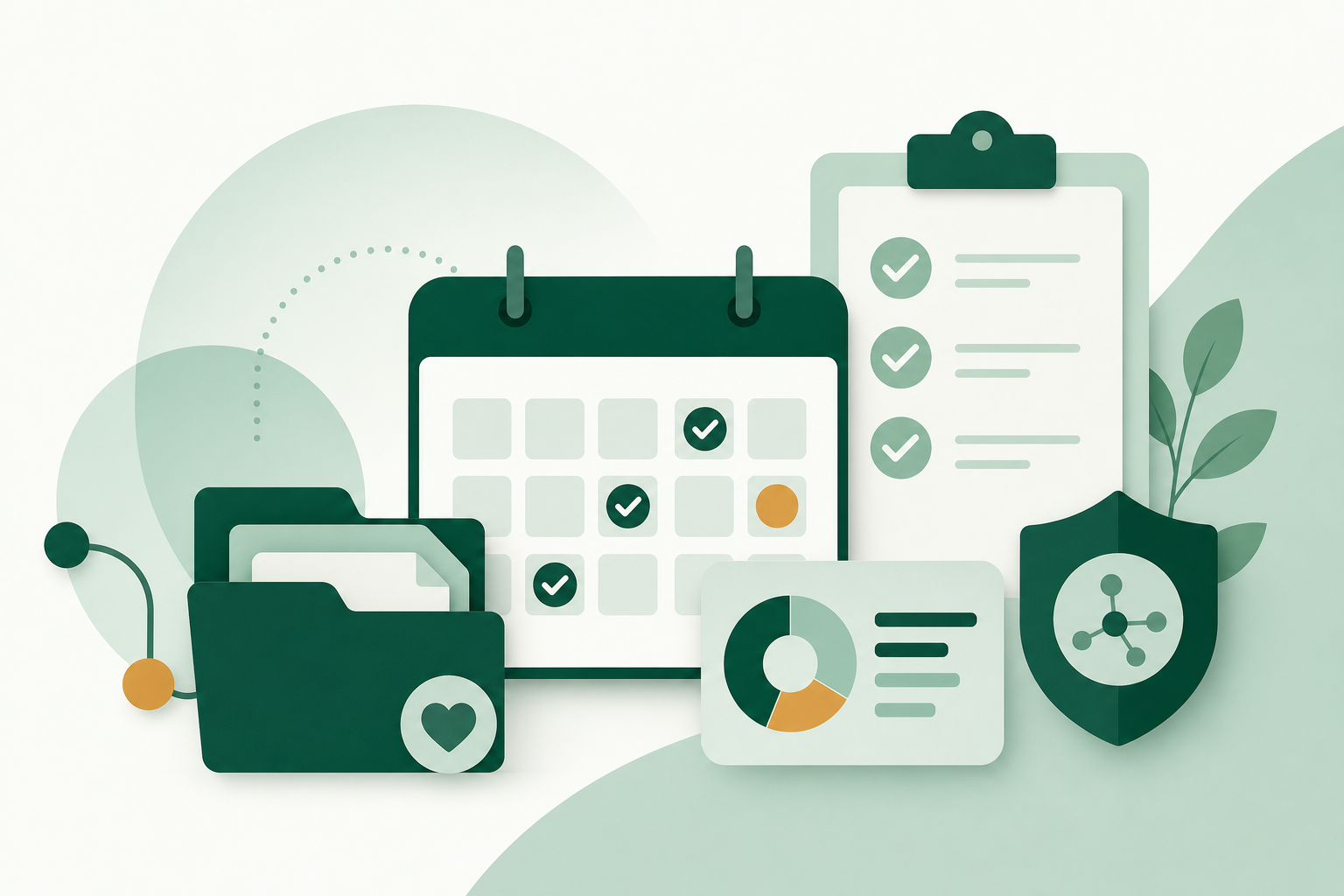
Once you have an efficient attendance tracking system in place, it’s important to monitor and evaluate the data regularly. This allows you to spot trends, such as frequent absences, and address them proactively. Regular data analysis can help identify potential issues early, whether they relate to patient engagement or administrative processes.
Consider setting up periodic reviews of attendance data with your team. These reviews can be used to discuss any notable patterns and plan interventions if necessary. Using data visualization tools can make these patterns easier to identify and discuss. By routinely evaluating your attendance data, you can ensure that your program remains responsive to both patient needs and operational demands.
Engaging Patients in Attendance Tracking
Engaging patients in the attendance tracking process can improve both compliance and program outcomes. Encouraging patients to understand their role in this process and the importance of regular attendance can lead to better engagement. Clear communication about how attendance affects their treatment plans and outcomes can foster a sense of responsibility and cooperation.
Consider implementing reminder systems, such as automated calls or text messages, to help patients keep track of their appointments. Providing patients with easy access to their attendance records through a patient portal can also enhance transparency and involvement. By involving patients in the tracking process, you can create a more collaborative environment that supports their recovery journey.
Customizing Attendance Tracking for Different Patient Needs
Not all patients have the same attendance needs or challenges. Tailoring your attendance tracking approach to accommodate individual circumstances can enhance both compliance and patient satisfaction. For example, patients with transportation issues may benefit from flexible scheduling options or virtual check-ins, which can be tracked electronically. By understanding and adapting to these unique needs, your clinic can provide more personalized care while maintaining accurate attendance records.
Consider working with your clinical team to identify any barriers that specific patient groups might face and strategize on solutions. This may involve collaborating with case managers, social workers, or community resources to support consistent attendance. By focusing on patient-centered solutions, you can improve engagement and outcomes, ultimately benefiting both the patient and your clinic's operational goals.
Documenting Attendance Tracking Processes for Compliance
Documenting your attendance tracking processes is critical for ensuring compliance and facilitating audits. Keeping a clear, written record of your procedures and any changes made over time can help demonstrate your clinic's commitment to regulatory standards. This documentation should include details about your tracking system, how data is recorded and stored, and any staff training related to attendance protocols.
Regularly updating your documentation to reflect current practices and any regulatory changes is also vital. This not only prepares your clinic for potential inspections but also serves as a valuable resource for training new staff members. By maintaining comprehensive records, you can ensure continuity in your processes and reinforce the importance of compliance across your team.
Frequently Asked Questions
What are the risks of inaccurate attendance tracking?
Inaccurate attendance tracking can lead to denied insurance claims, compliance issues, and potential audits. It can also affect staff scheduling and resource allocation, leading to inefficiencies.
How can technology assist with attendance tracking?
Technology can automate the tracking process, integrate with other systems, and provide real-time data analytics. This reduces manual errors and provides insights for better decision-making.
How often should we review our attendance tracking procedures?
It's advisable to review your procedures regularly, at least quarterly, and whenever there are updates to state regulations or changes in your clinic's operations. This helps ensure compliance and efficiency.
See it on your own clinic workflows
A 30 minute walkthrough with someone who knows behavioral health documentation, using your programs, your note formats and your payer mix.
- No credit card
- No contract
- Free for 30 days