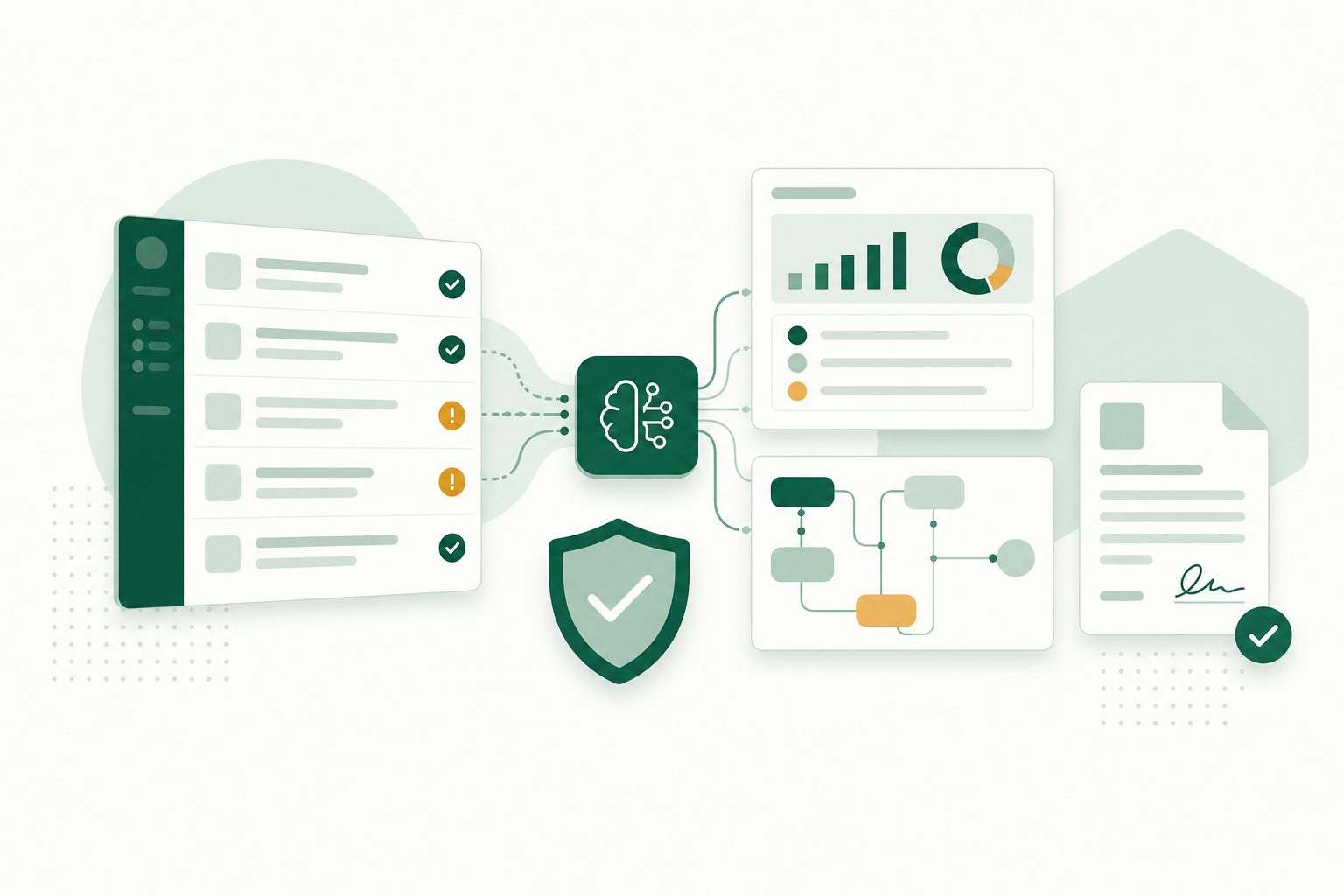
As behavioral health clinics face increasing regulatory demands, AI offers potential support for compliance teams. Understanding where AI can be most effective and where it might not meet expectations is crucial for clinic owners evaluating AI tools.
AI Enhances Data Management and Documentation
AI excels in managing vast amounts of data. For compliance teams, this means more efficient documentation processes. AI tools can quickly analyze progress notes and other records, ensuring they meet regulatory standards. This reduces the time spent on manual checks and allows staff to focus on patient care.
For example, using AI-powered tools like progress notes, clinics can streamline documentation and minimize errors. However, it's essential to verify that these tools are tailored to your specific compliance needs.
Improving Accuracy with Voice Recognition
AI's voice recognition capabilities, such as those in Voice Scribe, can enhance the accuracy of documentation. By transcribing sessions in real-time, AI helps create comprehensive records while reducing the risk of human error.
This technology aids compliance by ensuring that all spoken details are captured accurately. However, staff must still review and approve transcriptions to ensure compliance with specific regulatory requirements.
Streamlining Compliance Audits
AI can assist in preparing for compliance audits by organizing records and highlighting potential issues. Automated systems can identify gaps or inconsistencies in documentation, helping compliance officers resolve these before an audit occurs.
While AI can significantly reduce the workload associated with audits, it's not a substitute for human oversight. Compliance staff should still conduct thorough reviews to ensure all regulatory requirements are met.
Limitations of AI in Behavioral Health Compliance
Despite its benefits, AI is not a catch-all solution. It relies on the data it receives, which means any inaccuracies in input data can lead to compliance issues. AI tools also need regular updates to align with evolving regulations.
Moreover, AI lacks the nuanced understanding that human compliance officers possess. It can identify patterns and flag potential issues, but it cannot interpret complex regulatory language or make judgment calls.
Evaluating AI Tools for Compliance
When selecting AI tools for your compliance team, consider their ability to integrate with existing systems and processes. Evaluate whether the tool can adapt to your clinic's specific compliance needs and regulatory environment.
It's also important to assess the provider's support and update mechanisms. An AI tool is only as effective as its latest update, especially in a field as dynamic as behavioral health compliance.
Cost Considerations for AI in Compliance
Investing in AI technology requires careful consideration of costs. While AI can lead to long-term savings by streamlining processes, initial investments can be significant.
Review the pricing structures of AI solutions to ensure they fit within your clinic's budget. Consider both upfront costs and potential savings from increased efficiency.
AI's Role in Data Privacy and Security
AI can significantly enhance data privacy and security for behavioral health clinics. By automating routine security checks and identifying unusual patterns in data access, AI helps protect sensitive patient information. This is particularly crucial given the strict regulations surrounding protected health information (PHI) in the healthcare sector.
However, clinics must ensure that their AI tools comply with all relevant data privacy laws. This includes implementing robust encryption methods and access controls. While AI can help identify potential security threats, the ultimate responsibility for safeguarding patient data rests with the clinic's compliance team.
Integrating AI with Existing Systems
For AI to be effective in compliance, it must integrate seamlessly with existing systems. This integration can streamline workflows and enhance the accuracy of data management processes. AI tools can be designed to work alongside electronic health records (EHR) systems, ensuring that updates and compliance checks happen in real-time.
Choosing AI solutions that offer strong interoperability with your current systems is essential. This reduces the risk of data silos and ensures that all relevant information is accessible when needed. Conduct thorough testing to confirm that the AI system complements your clinic's existing technology infrastructure.
Training and Support for AI Implementation
Effective AI implementation requires comprehensive training and ongoing support for clinic staff. Understanding how to operate AI tools and interpret their results is crucial for maximizing their potential. Training programs should cover both the technical aspects and the compliance implications of using AI systems.
Having a reliable support system in place is also vital. Staff may encounter technical issues or require assistance in understanding complex AI outputs. A robust support mechanism ensures that any challenges are swiftly addressed, minimizing disruptions to compliance workflows and patient care.
Improving Client Engagement with AI
AI can play a pivotal role in enhancing client engagement within behavioral health clinics. By utilizing AI-driven analytics, clinics can track client interactions and identify patterns that may indicate a need for intervention or additional support. This proactive approach helps ensure that clients receive timely care, improving overall outcomes.
AI can also personalize communication with clients. For instance, AI systems can automate appointment reminders or follow-up messages, tailored to each client's preferences and history. This not only improves client satisfaction but also ensures compliance with appointment scheduling and follow-up care processes, which are essential components of regulatory standards.
Addressing Ethical Concerns in AI Implementation
When integrating AI into compliance processes, it's crucial to address potential ethical concerns. AI systems must be designed and utilized in a way that respects patient autonomy and confidentiality. Clinics should establish clear guidelines on how AI tools will be used and ensure transparency with clients regarding data usage and privacy.
Furthermore, clinics must ensure that AI does not inadvertently introduce biases into decision-making processes. Regular evaluations of AI tools are necessary to ensure that they operate fairly and equitably. Engaging with stakeholders, including clients, staff, and compliance officers, can provide valuable insights into ethical considerations, ensuring that AI implementation aligns with the clinic's values and regulatory obligations.
Frequently Asked Questions
Can AI replace human compliance officers?
No, AI cannot replace human compliance officers. It can assist in tasks like data management and audits, but human oversight is crucial for interpreting regulations and making judgment calls.
How does AI handle evolving regulatory requirements?
AI tools need regular updates to stay aligned with regulatory changes. It's vital to choose an AI provider that offers ongoing support and updates to ensure compliance.
What should I consider when evaluating AI tools for compliance?
Consider the tool's integration capabilities, adaptability to your specific compliance needs, and the provider's update and support mechanisms. Cost and potential efficiency gains are also important factors.
See it on your own clinic workflows
A 30 minute walkthrough with someone who knows behavioral health documentation, using your programs, your note formats and your payer mix.
- No credit card
- No contract
- Free for 30 days